
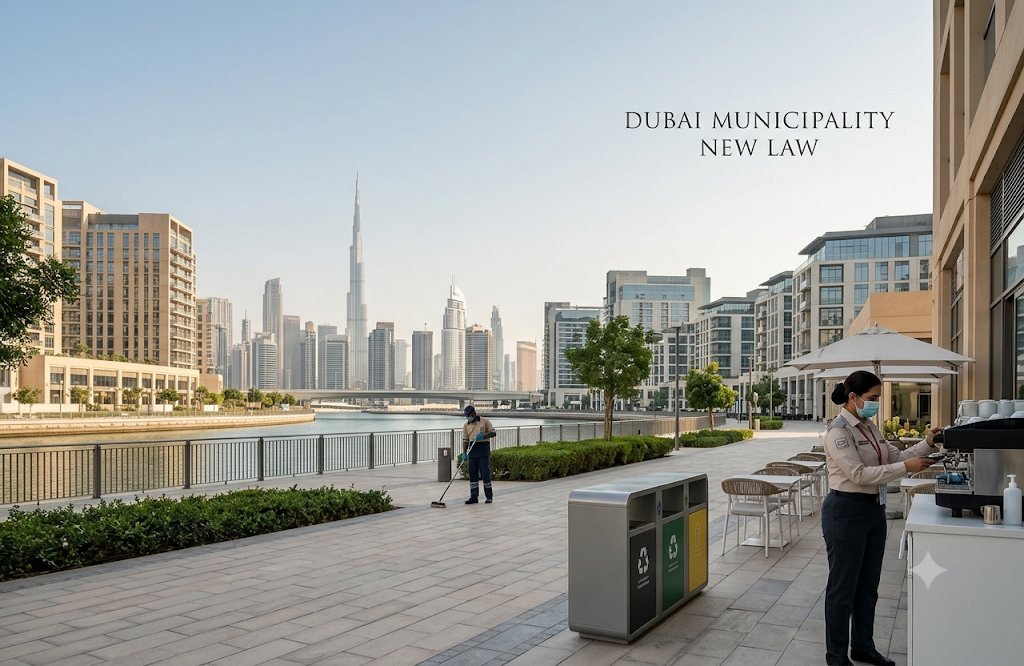
Dubai Municipality New Law 2026: Dubai has introduced a major legal change that could shape how public health, food safety, waste management and urban development are managed across the emirate.
Sheikh Mohammed bin Rashid Al Maktoum has issued Law No. (18) of 2026 Concerning Dubai Municipality, defining the authority's expanded responsibilities and role in managing essential municipal services.
The new law replaces the original 1961 order that established Dubai Municipality and provides a broader framework for its responsibilities across the emirate, including relevant free zones and special development areas, subject to applicable legal exemptions.
For residents, restaurant owners, food businesses and waste management companies, the development is particularly important because it brings several essential areas of city management under a clearly defined institutional framework.
What Is Dubai Municipality Law No. 18 of 2026?
Law No. 18 of 2026 establishes the updated legal framework governing Dubai Municipality's objectives, responsibilities and powers.
The law covers several important areas, including:
-
Urban planning and infrastructure development.
-
Public health and food safety.
-
Waste collection, treatment and management.
-
Public parks, green spaces and recreational facilities.
-
Construction and building-related development.
-
Environmental protection and public safety.
-
Cooperation with private-sector companies.
One of its key objectives is to support Dubai's long-term development while improving residents' quality of life and maintaining high standards across public services.
The legislation also provides a framework for cooperation between Dubai Municipality, government entities and private-sector organisations.
How Will the New Dubai Municipality Law Affect Residents?
For Dubai residents, the law is relevant to everyday services that influence public health, cleanliness and the quality of urban life.
Dubai Municipality has responsibilities covering public spaces, parks, environmental health, food safety, waste management and other essential municipal services.
The expanded legal framework aims to strengthen the management and coordination of these responsibilities.
Residents may particularly benefit from improvements in areas such as:
-
Public cleanliness and waste management.
-
Food safety and consumer protection.
-
Maintenance of parks and recreational spaces.
-
Public health and environmental standards.
-
Infrastructure and urban development.
However, the new law does not automatically introduce new household charges or additional requirements for residents.
New Food Safety Responsibilities: What Restaurant Owners Should Know
Food safety is one of the major areas covered by the updated Municipality mandate.
Dubai already has an established regulatory framework governing restaurants, supermarkets, food suppliers and other food-related businesses.
Under the existing food safety requirements, businesses must follow rules concerning food preparation, storage, transportation, hygiene and handling.
Dubai Municipality also carries out food establishment inspections and monitors compliance with applicable safety standards.
Restaurant owners and food businesses should pay attention to the following areas:
-
Food preparation and storage standards.
-
Kitchen hygiene and sanitation.
-
Safe transportation of food products.
-
Food handler training and requirements.
-
Food product registration and approvals.
-
Prevention of food contamination.
Dubai's Public Health Law No. 5 of 2025 is also an important part of this regulatory framework.
Does the new law introduce additional restaurant inspections or food safety fines?
The new Municipality law establishes broader institutional responsibilities, but it does not itself announce a new restaurant inspection schedule or a new set of food safety fines. Businesses should continue following existing requirements unless further official regulations are announced.
Dubai Waste Management Rules: What Businesses Need to Know
Waste management is another important part of Dubai Municipality's expanded mandate.
Dubai already regulates waste-related activities through Law No. 18 of 2024 Concerning Waste Management in the Emirate of Dubai.
Its implementing framework also includes Administrative Resolution No. 34 of 2026.
These regulations establish requirements for waste collection, transportation, disposal and related business activities.
Depending on the type of establishment and waste generated, businesses may need to arrange approved waste collection and disposal services.
Important areas include:
-
Waste collection and transportation.
-
Waste management permits.
-
Approved waste disposal facilities.
-
Requirements for commercial establishments.
-
Recycling and waste treatment.
-
Compliance with environmental and technical standards.
Certain commercial and residential developments, hotels and industrial establishments have specific responsibilities for managing and disposing of the waste they generate.
Businesses involved in waste collection and transportation must also meet applicable licensing and permit requirements.
Will Dubai introduce new waste disposal fees under the 2026 law?
The new Municipality law does not announce a new general waste disposal fee. Existing charges and requirements should be checked through the relevant official services and regulations.
Does the New Law Apply to Dubai Free Zones and DIFC?
One important aspect of Law No. 18 of 2026 is its geographical scope.
The legislation covers Dubai Emirate, including relevant special development zones and free zones such as the Dubai International Financial Centre (DIFC), subject to specific legal exemptions.
This is particularly relevant for businesses operating outside traditional mainland commercial areas.
Companies should not assume that operating in a free zone automatically exempts them from applicable municipal requirements.
The actual requirements will depend on the relevant legislation, the nature of the business and any specific exemptions that apply.
What Powers Does Dubai Municipality Have Under the New Law?
The updated legislation provides a legal framework for Dubai Municipality to carry out its responsibilities and coordinate with relevant government and private-sector entities.
Its functions include monitoring compliance, conducting inspections within its authority and obtaining relevant information and documents where legally required.
The law also supports cooperation with other government organisations and the private sector to improve service delivery.
This is particularly relevant to businesses operating in regulated sectors such as food, construction and waste management.
However, the new law should not be interpreted as automatically introducing new penalties for every business activity. Existing sector-specific legislation continues to determine the applicable compliance requirements and enforcement measures.
Eight Main Objectives of Dubai Municipality
The new legislation identifies eight broad objectives that will guide the Municipality's work:
-
Supporting Dubai's future development and improving quality of life.
-
Promoting sustainable urban planning and development.
-
Developing parks, green spaces and public recreational facilities.
-
Improving infrastructure and essential municipal services.
-
Supporting innovation and technological development in construction.
-
Protecting public health and ensuring food safety.
-
Strengthening integrated waste management and resource efficiency.
-
Encouraging private-sector partnerships and economic opportunities.
Together, these objectives cover much more than traditional municipal services. They connect the management of Dubai's urban environment with public health, sustainability and long-term economic development.
When Does Dubai Municipality Law No. 18 of 2026 Come Into Effect?
According to the reported provisions, the law comes into effect from the date of its publication in the Official Gazette.
Readers and businesses should check the Dubai Legislation Portal for the official publication and commencement details.
Existing regulations will continue to apply where they do not conflict with the new legislation or other applicable laws.
Dubai Municipality New Law 2026: Frequently Asked Questions
1. What is the new Dubai Municipality law in 2026?
It is Law No. 18 of 2026, issued by Sheikh Mohammed bin Rashid Al Maktoum, defining Dubai Municipality's updated responsibilities, objectives and powers.
2. Does the new Dubai Municipality law affect restaurants?
It establishes a broader institutional framework for food safety oversight. Restaurants must continue complying with existing food safety regulations. Any additional requirements would need to be confirmed through official updates.
3. Does Dubai Municipality's new law cover waste management?
Yes. Integrated waste management is one of the key objectives of the legislation. Existing waste regulations, including the 2024 Waste Management Law and its implementing provisions, continue to govern specific requirements.
4. Does the law apply to DIFC and other free zones?
The law covers relevant free zones and special development areas, including DIFC, subject to applicable legal exemptions.
5. Does the new law introduce additional fines for businesses?
The legislation does not announce a new general schedule of business fines. Existing sector-specific laws and enforcement provisions remain relevant.
6. Does the new law replace Dubai Municipality's 1961 establishment order?
Yes. Law No. 18 of 2026 replaces the original 1961 order establishing Dubai Municipality's institutional framework.
7. Where can businesses check Dubai Municipality regulations?
Businesses can consult the official Dubai Municipality website and Dubai Legislation Portal for current regulations, permits, services and legal updates.
Official Sources and Further Information
For the latest legal requirements and official announcements, consult:
-
Dubai Municipality: https://www.dm.gov.ae/
-
Dubai Media Office: https://mediaoffice.ae/
-
Dubai Legislation Portal: https://dlp.dubai.gov.ae/
-
Dubai Municipality Food Safety: https://www.dm.gov.ae/municipality-business/food-traders-establishments/
-
Dubai Municipality Waste and Sewerage Agency: https://www.dm.gov.ae/municipality-business/waste-sewerage-agency/
Dubai's new Municipality law marks an important development in the emirate's administrative and regulatory framework. By bringing urban development, public health, food safety and integrated waste management into a broader institutional mandate, it provides a foundation for managing the city's growing needs. For residents and businesses, keeping track of official implementation updates will be essential.



0 comments
No comments yet. Be the first.